
The Fundamentals of Legacy Software Modernization
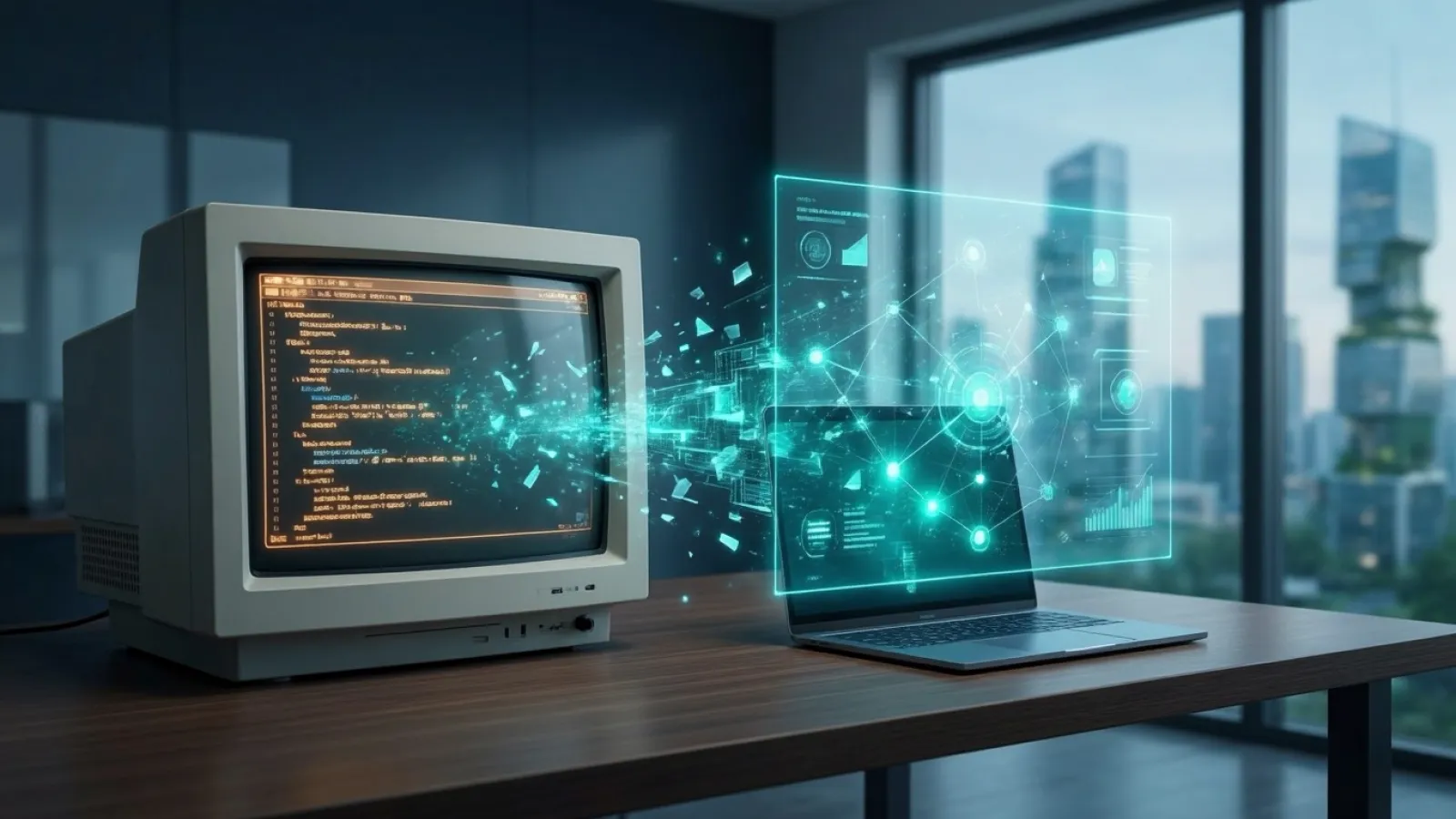
Legacy software modernization involves updating or replacing outdated systems to improve agility, reduce costs, and support digital transformation. Common strategies include rehosting, replatforming, refactoring, and full replacement.
Enterprises pursue modernization to escape high maintenance costs, security vulnerabilities, and limited scalability. Industry reports highlight cloud migration and microservices as key enablers.
These technical approaches form the baseline. Yet experienced leaders know real success depends on far more than technology choices.
Why Most Modernization Efforts Struggle
Legacy systems are deeply embedded in daily operations. They support critical business processes that thousands of employees rely on. Modernization sounds straightforward on paper. In practice, it is one of the most complex and risky initiatives an organization can undertake.
The Organizational Resistance Gap
Most frameworks treat modernization as a technical project. They completely miss the massive cultural and organizational resistance that emerges when changing systems people have used for years.
Employees develop workarounds and deep familiarity with legacy interfaces. Any disruption to daily workflows triggers pushback, shadow processes, and low adoption. This resistance often delays projects for years.
The Business Process Transformation Gap
Technical guides focus heavily on migration strategies. They rarely address the fact that legacy services are tightly coupled with outdated business processes.
Simply updating technology without transforming underlying processes delivers limited value. The new system ends up replicating old inefficiencies in a more expensive environment.
The Hidden Modernization Tax Gap
Analysts promise long-term cost savings. They understate the “modernization tax” — parallel system maintenance, extensive testing, talent shortages, and ongoing integration complexity during long transition periods.
Many organizations discover that total cost of ownership rises significantly before any savings appear.
These hidden gaps explain why so many legacy software modernization projects fail to deliver expected results. Valuebound designs modernization strategies that address both technical and organizational realities. Visit Valuebound to build a modernization approach that actually succeeds.
The Hybrid Operations Risk Gap
Phased modernization is promoted as the safest route. Yet running legacy and modern systems together for extended periods creates serious risks around data consistency, security, and compliance.
Maintaining synchronization while keeping operations stable is far more difficult than most frameworks admit.
The Measurement and Outcomes Gap
Success is often measured by technical KPIs like uptime and performance. This misses the real goal — improved business outcomes, employee productivity, and customer experience.
Many modernized systems look advanced but fail to move the needle on actual business results.
Comparison of Modernization Approaches
| Dimension | Big-Bang Replacement | Pure Technical Modernization | Business-Centric Modernization |
|---|---|---|---|
| Organizational Resistance | Very High | High | Managed through change focus |
| Business Process Change | Limited | Minimal | Core focus |
| Hidden Costs | High | Often underestimated | Controlled |
| Risk During Transition | Very High | Medium | Lower with hybrid safeguards |
| Long-term Business Value | Uncertain | Limited | High when executed well |
Building a Successful Modernization Strategy
Start with deep business process analysis, not just technical assessment. Prioritize change management and user experience from day one. Design hybrid operations with strong governance. Focus relentlessly on measurable business outcomes.
Legacy software modernization is not primarily a technology project. It is a business transformation initiative that requires strong leadership across IT and business functions.
FAQs
What makes organizational resistance one of the biggest challenges in legacy software modernization?
Legacy software modernization impacts daily workflows that employees depend on. Without proper change management, resistance and shadow processes slow or derail even technically sound projects.
Why is business process transformation critical during legacy software modernization?
Simply updating technology rarely delivers full value. Legacy software modernization must include redesigning outdated processes to unlock real efficiency and agility gains.
How significant is the hidden modernization tax in legacy software modernization?
Many organizations underestimate parallel running costs, testing, and integration efforts. This hidden tax often makes total cost of ownership higher than expected in legacy software modernization.
What determines real success in legacy software modernization?
Technical completion is not enough. Successful legacy software modernization delivers measurable improvements in productivity, customer experience, and business agility.
Valuebound partners with enterprises undertaking legacy software modernization with strategies that address both technical and human realities. Learn more at Valuebound.
Download our complete Enterprise Intranet Buyer's Kit to structure your evaluation effectively. Fill out the form below to receive your copy.