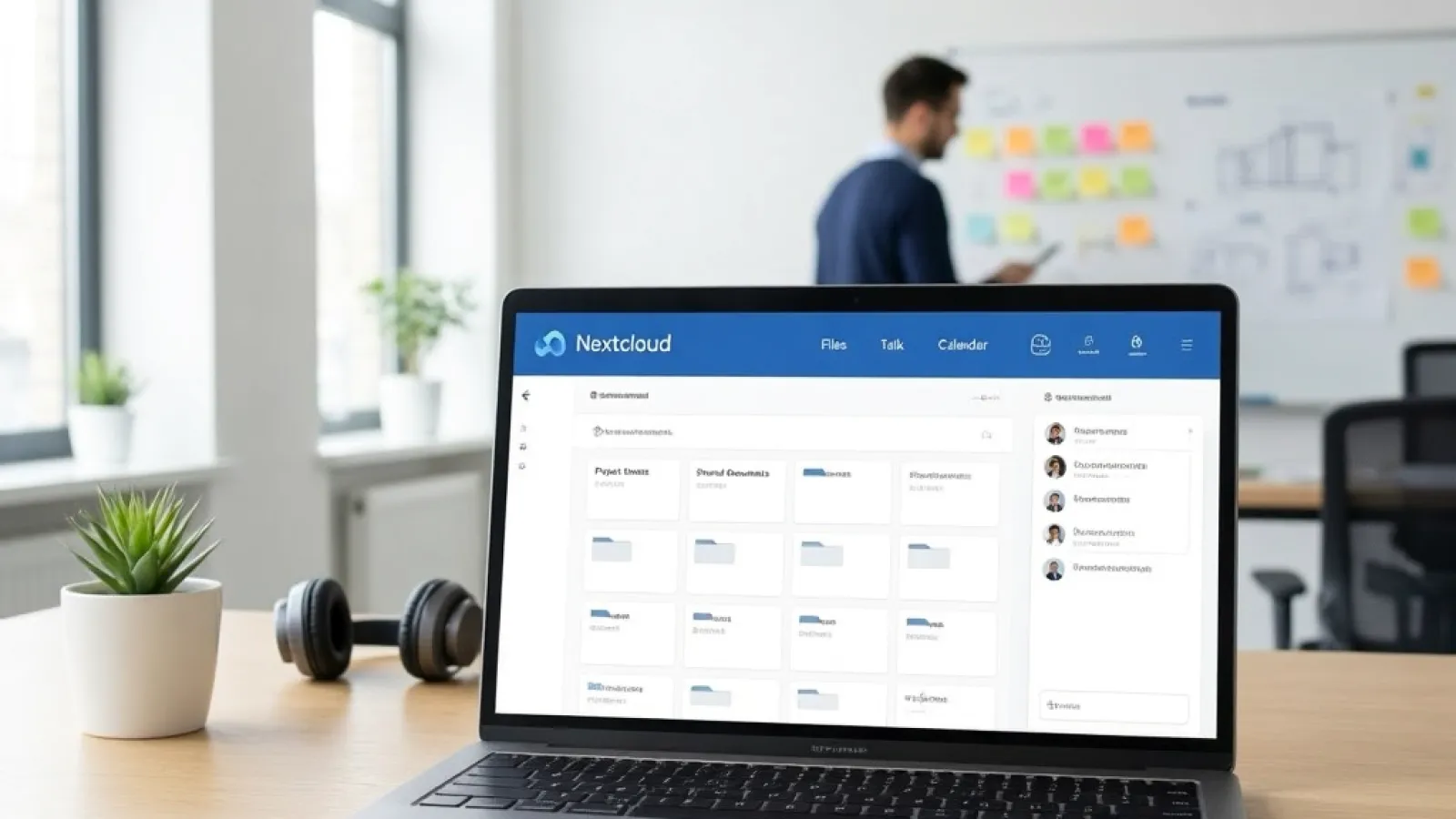

Enterprise teams have grown tired of SharePoint licensing fees, Microsoft ecosystem lock-in, and clunky user experiences. They turn to open source SharePoint equivalents for lower costs, self-hosting control, and customization freedom. Popular choices include Nextcloud for file sharing, eXo Platform for social collaboration, Alfresco for document management, and Liferay or dotCMS for full intranets.
These platforms deliver core features such as document versioning, permissions, search, and team workspaces. They run on-premises or in private clouds. Organizations gain data sovereignty and avoid annual Microsoft price hikes.
Yet most evaluation guides stop here. They list features and claim victory. Experienced buyers already know the checklist. The real decision happens deeper.
Why Most Open Source Options Fail at Enterprise Scale
Scale exposes the cracks. A 5,000-user Nextcloud deployment might handle file sync beautifully. It collapses under complex workflow automation, role-based content governance, or integration with legacy HR and ERP systems.
eXo and Alfresco offer stronger collaboration layers. They still require heavy custom development for the dynamic intranets that modern CHROs and CTOs demand. Many deployments become shadow IT magnets within 18 months because user adoption never matches the pilot phase.
The pattern repeats across organizations of 500 to 50,000 employees. Leadership approves the open source SharePoint equivalent to escape vendor lock-in. Twelve months later they discover the internal team cannot maintain the custom extensions or security patches at enterprise velocity.
The Architecture Trap That Kills Digital Workplace Projects
Here lies the unspoken truth. Most open source SharePoint equivalents are either lightweight DMS tools or rigid social platforms. Neither replaces a true digital workplace architecture.
A modern intranet must handle personalized employee experiences, AI-driven search across siloed systems, automated approval workflows, and seamless Microsoft 365 coexistence. Pure file-focused solutions like Nextcloud stop at storage. Full DXP platforms built on Drupal deliver modular, API-first foundations that grow with the business.
Drupal stands apart because it treats content, users, and processes as composable services rather than bolted-on features. This architectural difference determines whether your digital workplace accelerates transformation or becomes another expensive legacy system in three years.
Hidden Total Cost of Ownership in 2026
License savings look attractive on paper. The real number appears in year two.
Expect ongoing expenses for hosting infrastructure, security hardening, custom module development, performance tuning, and 24/7 support. Enterprises that skip professional services often spend 40 percent more over five years than they budgeted.
Governance adds another layer. Open source SharePoint equivalents require mature DevSecOps practices for compliance with SOC 2, ISO 27001, and regional data laws. Few internal teams possess that depth without outside expertise.
Leading Open Source SharePoint Equivalents Compared
| Platform | Core Strength | Best For | Scalability Limit (users) | Customization Effort | 5-Year TCO Estimate (mid-size enterprise) | Key Limitation |
|---|---|---|---|---|---|---|
| Nextcloud | File sync & sharing | Simple document teams | Up to 10,000 | Medium | Medium | Weak workflow automation |
| eXo Platform | Social collaboration | Team communication | Up to 20,000 | High | Medium-High | Steep learning curve |
| Alfresco | Enterprise content management | Heavy document workflows | 50,000+ | Very High | High | Complex setup |
| Drupal (custom) | Full digital workplace DXP | Complex intranets & portals | 50,000+ | High (leveraged) | Low-Medium | Requires expert implementation |
Data synthesized from 2025 industry benchmarks and enterprise deployment reports. Drupal-based solutions consistently show lower long-term costs when paired with experienced partners.
If your organization has just identified these exact architecture and TCO risks, Valuebound specializes in turning open source SharePoint equivalents into production-ready digital workplaces. Visit https://www.valuebound.com to explore how our Drupal expertise eliminates the common failure points.
Migration and Governance Realities That Matter
Migration is never a lift-and-shift. Permissions mapping alone can consume months when moving from SharePoint's unique security model. Data classification, retention policies, and audit trails must be redesigned for the new platform.
Successful projects treat governance as a first-class requirement, not an afterthought. They build cross-functional teams that include legal, security, and business stakeholders from day one. This approach prevents the compliance surprises that derail 60 percent of intranet migrations.
FAQs
What is the best SharePoint equivalent open source for large enterprises?
The best SharePoint equivalent open source depends on your exact needs, but Drupal-powered digital workplace platforms consistently outperform lightweight DMS tools for organizations above 1,000 employees. They deliver the flexibility and integration depth that Nextcloud or eXo cannot match without massive custom work. Valuebound implements these solutions daily for complex environments.
How much can an open source SharePoint equivalent save compared to Microsoft licensing?
An open source SharePoint equivalent can reduce licensing costs by 60 to 80 percent. Real savings emerge only when you factor in implementation expertise and ongoing maintenance. Without that, many projects exceed SharePoint totals within three years due to hidden customization and support expenses.
Does a SharePoint equivalent open source support Microsoft 365 integration?
Yes. Leading open source SharePoint equivalents, especially Drupal-based platforms, offer native connectors and API integrations with Microsoft 365. This hybrid model lets you keep familiar tools while gaining open source freedom and avoiding full vendor lock-in.
Is migrating to a SharePoint equivalent open source risky for regulated industries?
Migration carries risk if you treat it as a simple data transfer. When executed with proper governance frameworks and expert partners, open source SharePoint equivalents often improve compliance through transparent code and stronger audit capabilities than proprietary systems.
The Core Insight Is Simple
Choosing the right SharePoint equivalent open source is not about picking the cheapest tool. It is about selecting an architecture and partner that will still serve your organization five years from now.
The enterprises that win treat this decision as a strategic platform investment, not a cost-cutting exercise.
Download our complete Enterprise Intranet Buyer's Kit to structure your evaluation effectively. Fill out the form below to receive your copy.
