
The Harsh Reality in 2026
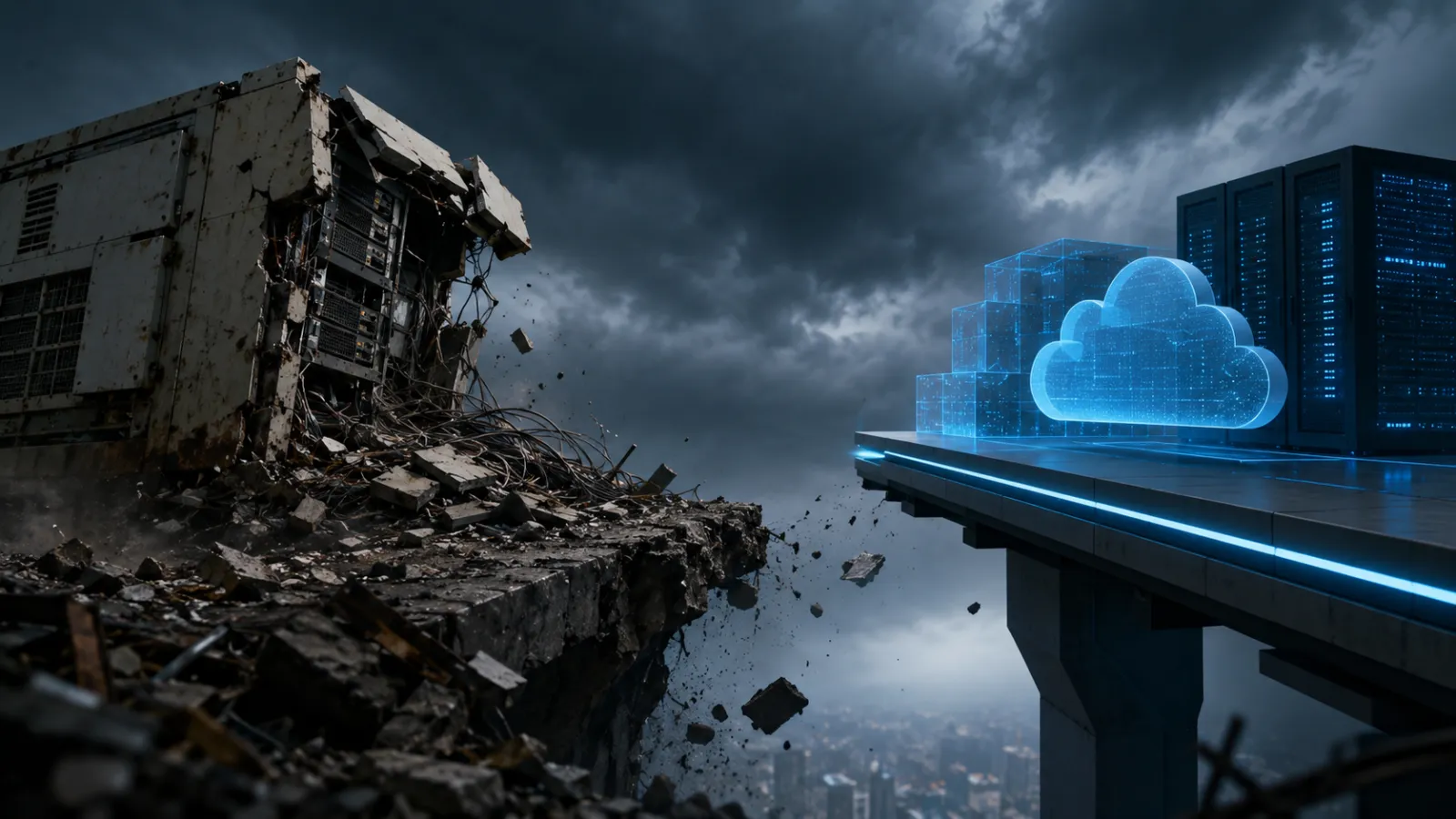
Legacy modernization remains one of the most critical and expensive initiatives enterprises undertake. Yet the majority of these projects are either significantly over budget, badly delayed, or quietly failing to deliver expected business value.
In 2026, the gap between ambition and reality has never been wider. Technical roadmaps look perfect on paper. Execution tells a very different story.
The Fundamentals Most Organizations Already Know
Legacy modernization typically involves rehosting, replatforming, refactoring, or replacing outdated systems with modern cloud-native architectures. The goals are lower maintenance costs, better scalability, improved security, and faster innovation.
Industry analysts promote incremental and hybrid approaches as the safest path. These are sound recommendations. However, they barely scratch the surface of why most projects ultimately disappoint.
The Organizational Resistance Gap
Most technical guides treat modernization as a technology project. They completely miss the deep organizational and cultural resistance that emerges when you touch systems people have relied on for years.
Employees develop muscle memory around legacy interfaces. They create workarounds and shadow processes. When modernization disrupts daily workflows, resistance grows strong — often manifesting as low adoption, active sabotage, or endless requests for “just like the old system” features.
The Business Process Transformation Gap
Legacy systems are not just old technology. They are deeply intertwined with outdated business processes.
Most projects modernize the software but leave the underlying processes untouched. The result? A shiny new system that simply replicates old inefficiencies at higher cost. True value only emerges when technology modernization is paired with bold process redesign.
The Hidden Modernization Tax Gap
Vendors and consultants love to talk about long-term cost savings. They rarely highlight the “modernization tax” — running parallel systems, extensive testing, data synchronization challenges, talent shortages, and prolonged change management.
Many organizations discover that total cost of ownership actually increases for several years before any real savings appear. This hidden tax surprises leadership and kills project momentum.
These are the real reasons most legacy modernization projects fail in 2026. Valuebound has helped numerous enterprises avoid these costly pitfalls by designing modernization strategies that address both technical and human realities. Visit Valuebound to explore how we can support your initiative.
The Hybrid Operations Risk Gap
Phased modernization is promoted as low-risk. In practice, running legacy and new systems side-by-side for extended periods creates serious challenges around data consistency, security, compliance, and operational complexity.
Maintaining two versions of the truth is far harder than most frameworks admit. This hybrid phase is where many projects lose control.
The Measurement & Outcomes Gap
Success is too often measured by technical metrics — uptime, performance, or migration completion percentage.
Business leaders ultimately care about productivity gains, customer experience, speed to market, and cost reduction. When projects focus only on technical KPIs, they deliver modern systems that fail to move the business needle.
Comparison of Modernization Approaches
| Dimension | Big-Bang Replacement | Pure Technical Modernization | Business-Led Modernization |
|---|---|---|---|
| Organizational Resistance | Extremely High | High | Managed proactively |
| Business Process Change | Minimal | Limited | Core focus |
| Hidden Costs | Very High | High | Better controlled |
| Risk During Transition | Critical | High | Managed with strong governance |
| Business Value Delivered | Low to Medium | Medium | High when executed well |
What Successful Organizations Do Differently
The organizations seeing real success in 2026 treat legacy modernization as a business transformation program, not just an IT project.
They start with clear business outcomes, invest heavily in change management, redesign processes alongside technology, and maintain strong governance throughout the hybrid phase. They also set realistic expectations around timelines and total cost of ownership.
FAQs
Why do so many legacy modernization projects fail even with good technical plans?
Legacy modernization projects fail because they underestimate organizational resistance, process complexity, and hidden costs. Technical excellence alone is not enough.
What is the biggest hidden cost in legacy modernization?
The “modernization tax” — parallel system maintenance, extensive testing, data synchronization, and prolonged change management — often makes projects far more expensive than initially projected.
How important is change management in legacy modernization?
Extremely important. Without strong change management and user involvement, even the best technical solution will face resistance and poor adoption.
What separates successful legacy modernization from failed ones?
Successful projects treat modernization as business transformation. They redesign processes, manage change effectively, maintain strong governance, and measure success by business outcomes, not just technical completion.
Ready to Avoid the Common Pitfalls?
Valuebound specializes in helping enterprises execute complex legacy modernization projects that actually deliver sustainable business value.
Continue reading the full article or discuss your modernization challenges with us: Valuebound
Download our complete Enterprise Intranet Buyer's Kit to structure your evaluation effectively. Fill out the form below to receive your copy.