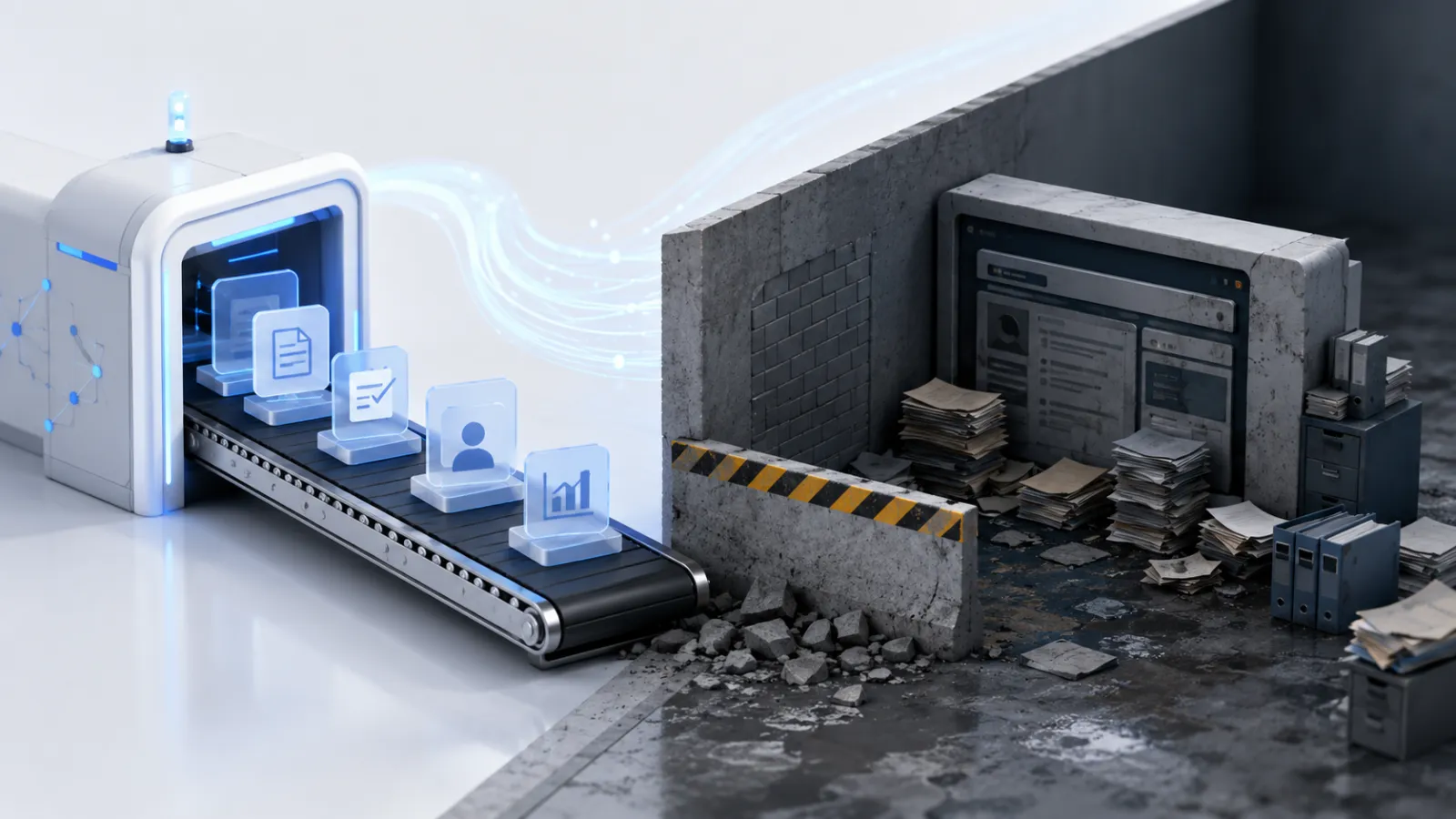

You invested millions in an automated claims platform. It processes documents faster in testing. Yet in production it functions mostly as an internal tool. Adjusters toggle between systems. Customers still call for updates. Leadership sees rising costs with limited ROI.
This integration bottleneck affects most enterprise deployments. Automated claims platforms promise seamless straight-through processing and superior customer experiences. They often deliver isolated efficiency inside the organization.
This article goes beyond generic integration advice. It reveals the specific architectural, data, and organizational decisions that turn promising platforms into costly internal portals. You will gain actionable insights to avoid this trap and achieve genuine enterprise impact.
The Fundamentals Claims automation platforms combine RPA, AI document processing, and workflow engines to handle intake, validation, adjudication, and payment. Many achieve solid internal gains like faster document handling.
For foundational RPA considerations, see Robotic Process Automation for Enterprises: Scale It Right.
Industry reports highlight benefits such as reduced manual effort and lower error rates. They also mention legacy integration and data quality as common issues.
These observations describe symptoms. They rarely explain why platforms stagnate as internal tools instead of transforming external outcomes.
The Promise Versus Reality Gap Vendors sell real-time processing and customer portals. Reality often means the platform automates back-office tasks while customer-facing flows remain fragmented.
Pilots succeed in controlled environments. Production reveals mismatched APIs, inconsistent data models, and siloed workflows. The platform becomes another system to maintain rather than a unified engine.
Enterprise leaders need solutions that connect claims to policy, billing, and customer channels without creating new bottlenecks.
Core Integration Challenges Legacy core systems use outdated architectures and batch processing. Modern automation platforms demand real-time, event-driven data flows. This mismatch creates constant workarounds.
Data lives in silos across policy administration, CRM, and third-party sources. Unstructured inputs like emails and photos compound the problem. Integration layers often fail to normalize this at scale.
APIs from different vendors rarely align perfectly. Point-to-point connections multiply maintenance overhead and break during updates.
Why Platforms Become Expensive Internal Tools Without deep external integration, automation stays trapped inside operations. Customers receive no faster updates or self-service options. The platform adds license and maintenance costs without proportional business value.
IT teams spend cycles on custom middleware instead of innovation. Adjusters adopt workarounds that bypass the new system. Over time, the platform becomes just another expensive internal portal.
True success requires treating integration as a core architectural decision, not an afterthought.
Governance and Architectural Failures Many projects lack unified governance across IT, claims, compliance, and digital teams. This leads to fragmented decisions and incompatible components.
Security and compliance requirements add complexity. Black-box automation struggles with audit needs. Without proper digital workplace support, collaboration and knowledge sharing suffer.
For insights on moving from pilot to production, explore From AI Pilot to Production.
Comparison of Integration Strategies
| Strategy | Speed to Pilot | Production Scalability | External Impact | Long-term Cost |
|---|---|---|---|---|
| Point-to-Point APIs | Fast | Low | Minimal | High maintenance |
| Middleware/ETL Layers | Medium | Medium | Limited | Ongoing overhead |
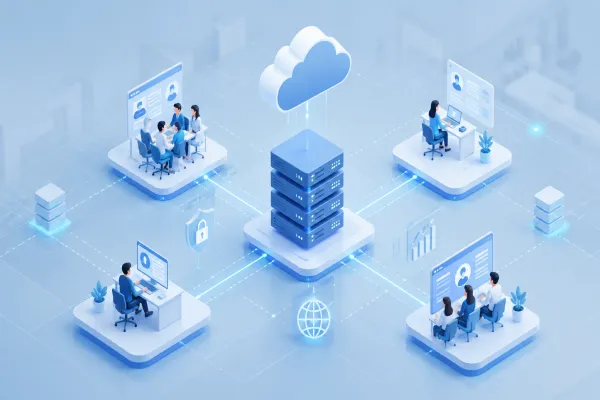
| Digital Workplace Platform | Medium | High | Strong | Lower TCO |
Architectural platforms embedded in a cohesive digital workplace consistently outperform others in sustained value.
If your automated claims platform is turning into a costly internal portal due to integration bottlenecks, Valuebound can help. We design digital workplace architectures that connect systems end-to-end. Visit https://www.valuebound.com to start a conversation.
Designing Integration That Actually Works Build modular, API-first layers that abstract legacy complexity. Focus on event-driven architectures for real-time synchronization.
Embed human-in-the-loop processes with clear escalation paths. Create unified knowledge repositories that support both automation and human decision-making.
For comprehensive 2026 guidance, see Intelligent Automation for Claims Processing: The 2026 Strategy.
Prioritize metrics beyond processing speed: customer satisfaction, leakage reduction, and total cost of ownership. A strong digital workplace becomes the glue that prevents stagnation.
FAQs
What is the integration bottleneck in automated claims platforms? The integration bottleneck occurs when automated claims platforms cannot seamlessly connect with legacy systems, data sources, and customer channels. This causes the platform to function primarily as an internal tool rather than delivering external value. Proper architectural planning resolves this common failure mode.
Why do automated claims platforms often become costly internal portals? Automated claims platforms become costly internal portals when integration with external systems and customer touchpoints remains incomplete. Organizations incur high maintenance costs without realizing promised efficiencies or customer experience gains. A unified digital workplace architecture prevents this outcome.
How can enterprises avoid the claims automation stagnation trap? Enterprises can avoid stagnation by treating integration as a foundational architectural requirement from day one. Focus on modular designs, governance alignment, and digital workplace enablement. These steps ensure the platform scales beyond internal use.
What role does the digital workplace play in claims platform success? The digital workplace plays a central role in claims platform success. It provides collaboration, knowledge management, and audit capabilities that bridge automation with human processes. Without it, even well-integrated technology fails to deliver full enterprise value.
Conclusion The integration bottleneck explains why many automated claims platforms deliver limited returns. They automate internal tasks effectively but fail to connect across the enterprise ecosystem. Success demands deliberate architectural choices and strong digital workplace foundations.
Valuebound partners with enterprises to overcome these challenges. We build systems that turn automation into genuine business transformation.
Download our complete Enterprise Intranet Buyer's Kit to structure your evaluation effectively. Fill out the form below to receive your copy.